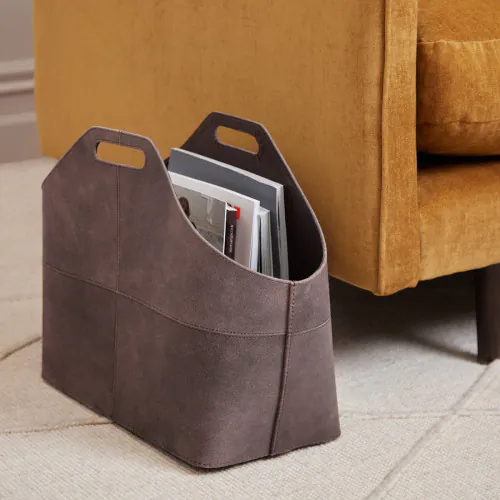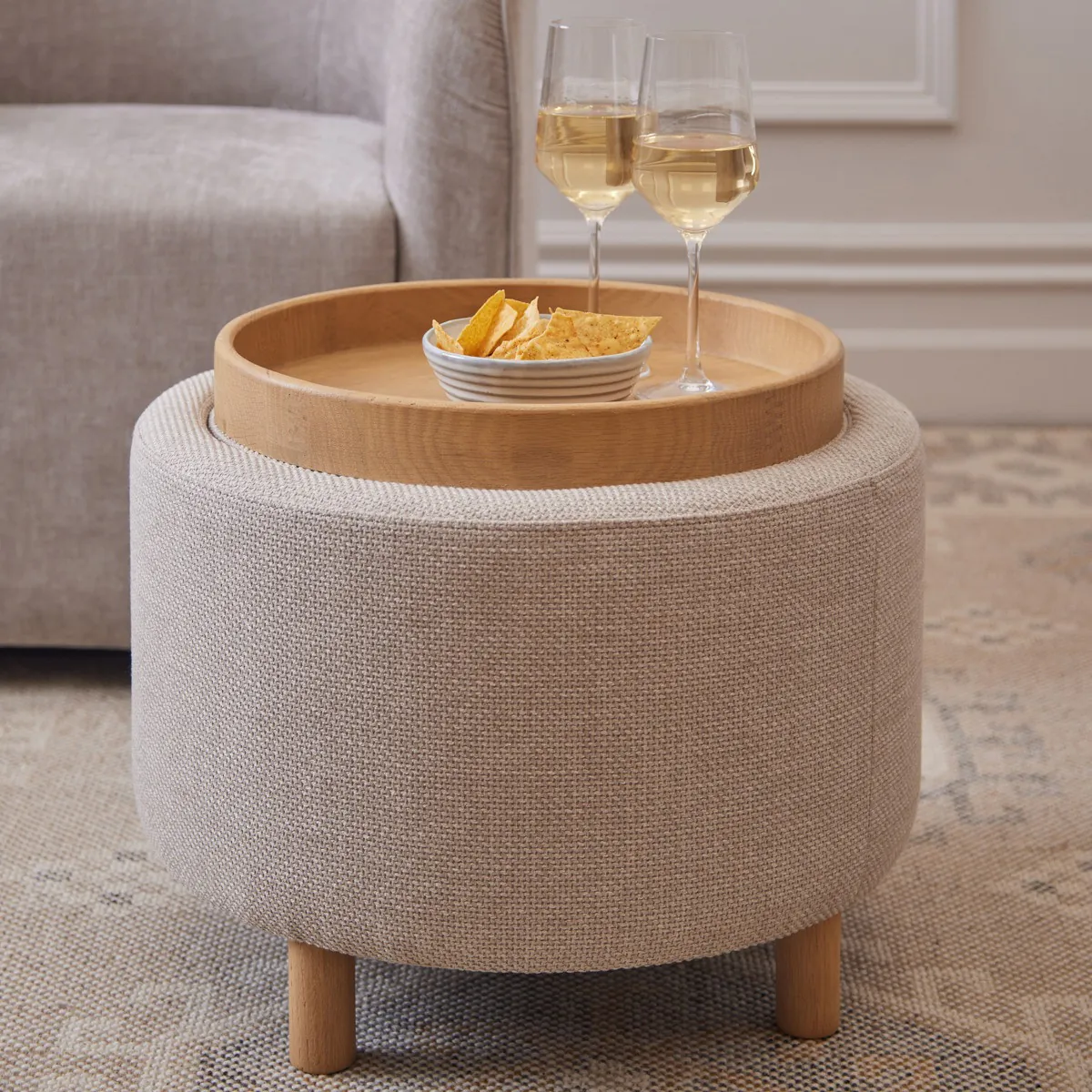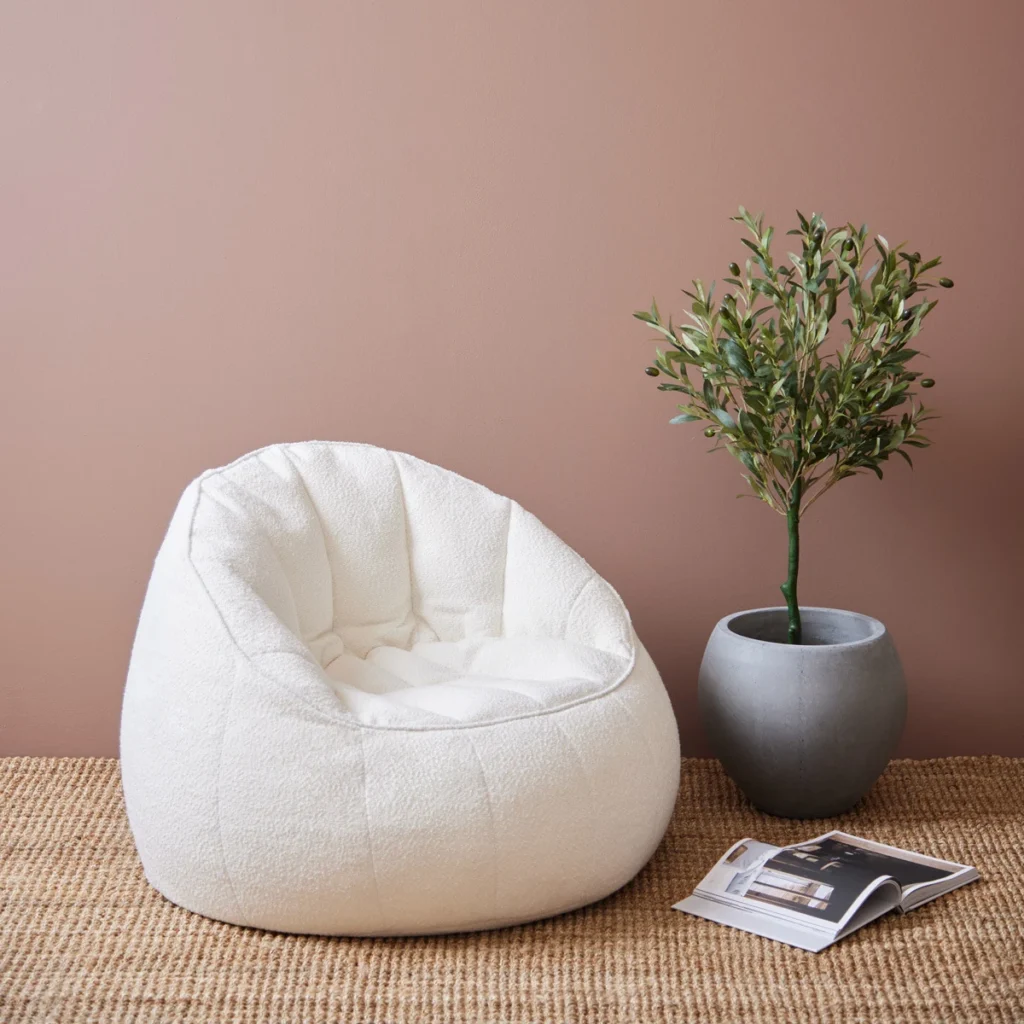
Over the past few years, comfort has steadily evolved from a “nice to have” into the defining principle of modern interiors. In 2026, that shift becomes even more pronounced. Designers, editors and industry trend reports agree: this year, homes are moving even further toward warmth, softness, and deeply comfortable living — an antidote to years of rigid minimalism and perfectly curated spaces.
Homes should soothe, not impress. They should feel like they were made to be lived in — not photographed. This movement is widely referred to as comfort‑core — a design direction that places comfort, emotional ease, and sensory wellbeing at the center of the home. And in true Meadows & Byrne style, the trend isn’t followed; it’s interpreted with timelessness and craftsmanship in mind.
Below, we explore what comfort‑core means in 2026, why it’s resonating so strongly, and how Meadows & Byrne’s new season pieces bring the trend to life.
Comfort‑Core Begins With How You Feel — Not How It Looks
The comfort‑core movement is less about décor and more about experience. Designers describe it as interiors designed to “support the way we actually live,” prioritising furniture and finishes that feel relaxed, welcoming and emotionally grounding.
This includes:
- deeper, enveloping seating
- warm, earth‑led colours
- tactile surfaces you want to reach out and touch
- organic, rounded silhouettes
- softness expressed through materials and layout
It’s comfort, but curated — not cluttered. It’s softness, but still structured.
Extra‑Deep Sofas: The Heart of Comfort‑Core Living
If there is one hallmark of comfort‑core, it’s deeper, more generous sofas that invite you to sink in rather than simply perch. There is a noticeable shift toward cocooning, soft‑sculptural sofas that prioritise lounging, connection and homely warmth.

Rambler Extra‑Deep Sofa
This sofa embodies the comfort‑core philosophy:
- extra depth for full‑body comfort
- soft, sculptural cushioning aligned with the year’s curved‑form trend
- warm, textural upholstery that calms rather than competes
It’s the kind of sofa you live in — not just look at.
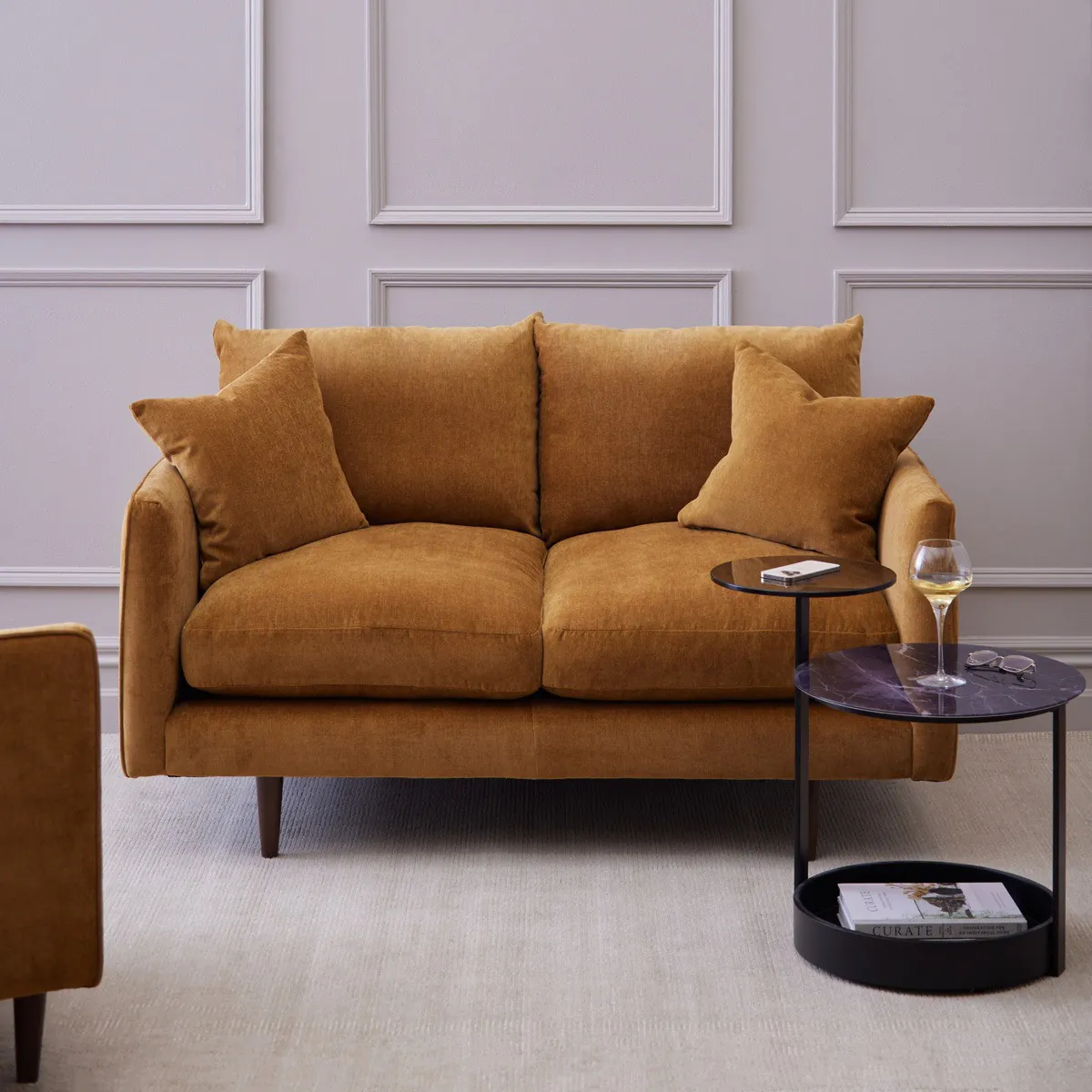
Charlotte 2.5 Seater
More tailored but still deeply comfortable, the Charlotte brings “lived‑in luxury” to smaller spaces, echoing the trend toward homes that feel personal, warm and quietly indulgent.
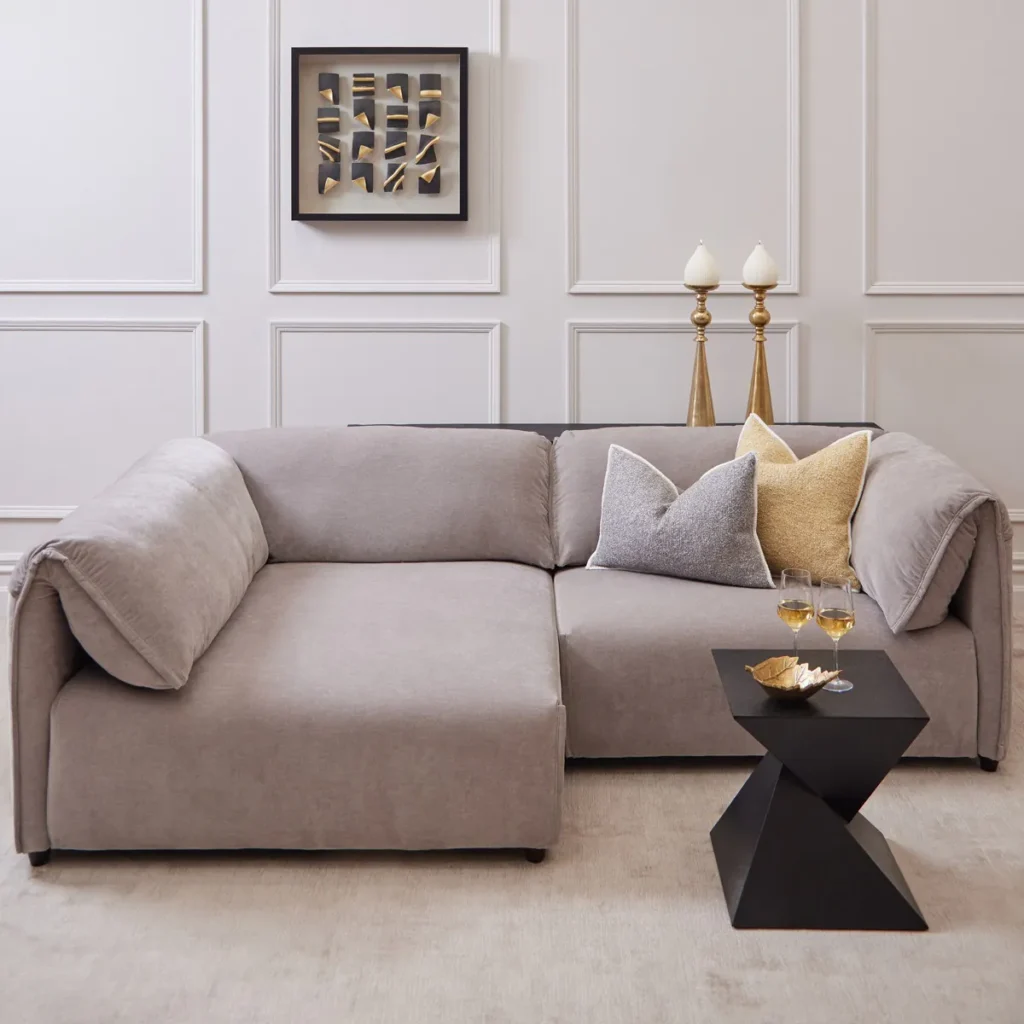
Both styles reflect what 2026 is all about: emotionally intuitive furniture that puts human comfort first.
Leo Swivel Stool
A perfect example of this shift:
- encourages relaxed conversation
- adds movement and fluidity at the table
- brings soft curves into a traditionally angular space
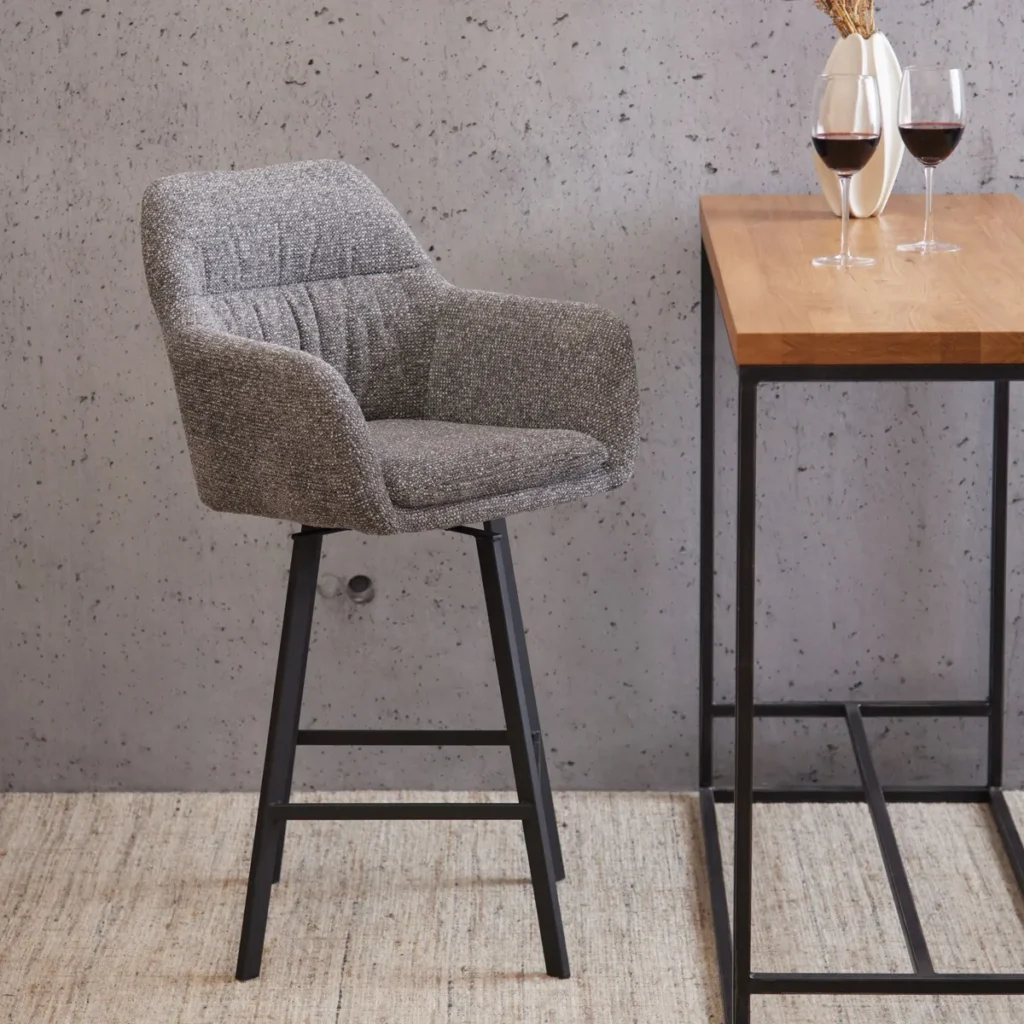
Swivel seating is part of a bigger trend toward functional comfort — furniture that adapts to the way people really gather.
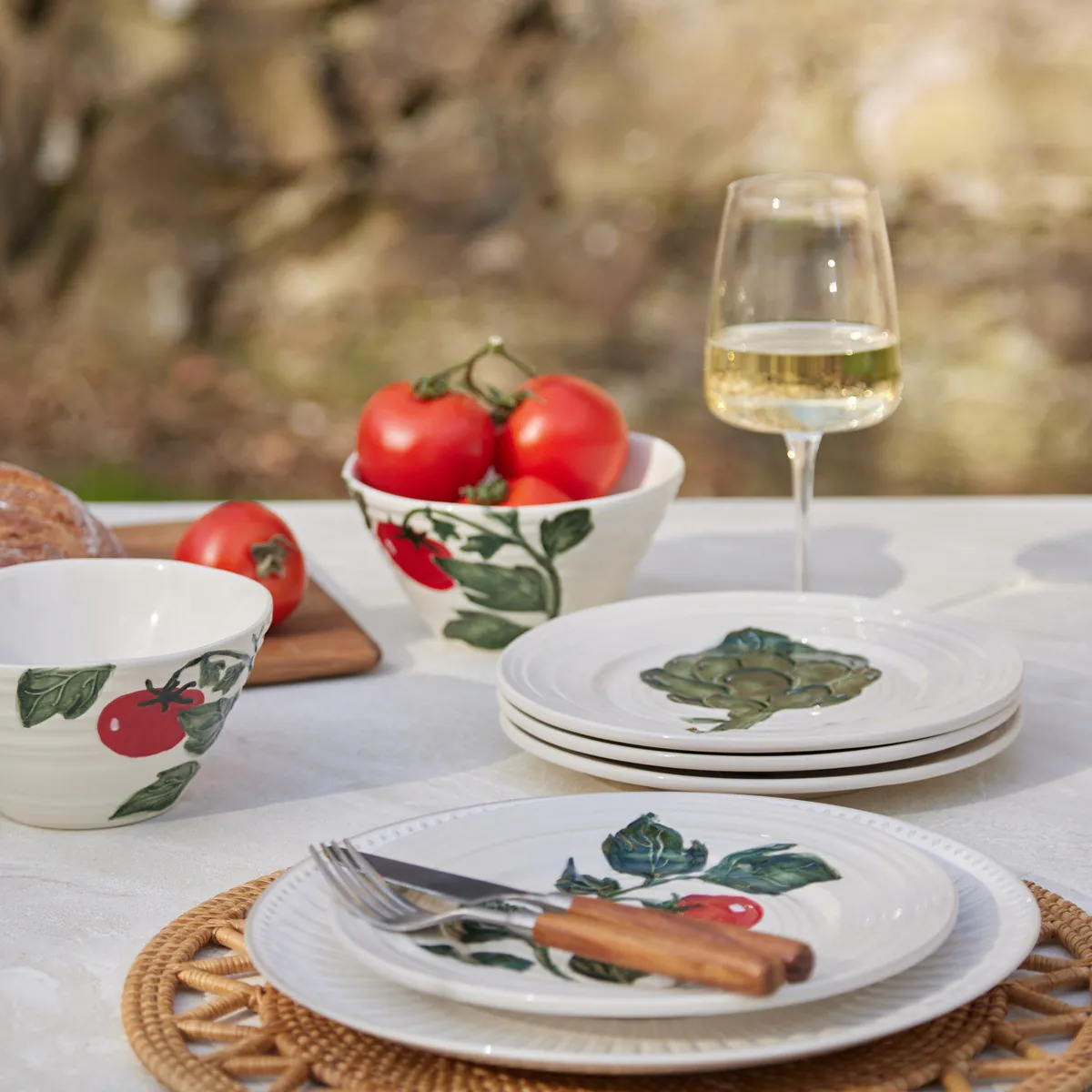
Paired with tactile linens, warm tones and expressive tableware (Tokyo Gold Cutlery, Nandi Plates, Palm Leaf Plates), the dining room becomes an inviting, sensory space rather than a formal one
Accent Chairs That Invite, Not Intimidate
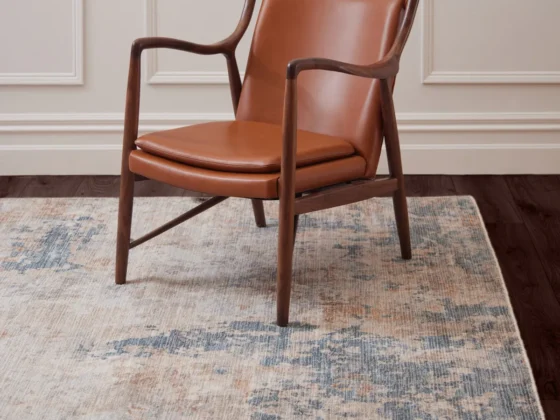
Comfort‑core also shows up in accent seating, with trend reports calling out sculptural curves, deep cushions, and pieces that look and feel approachable. Designers highlight the ongoing dominance of curves and biomorphic forms, predicting their relevance throughout 2026.
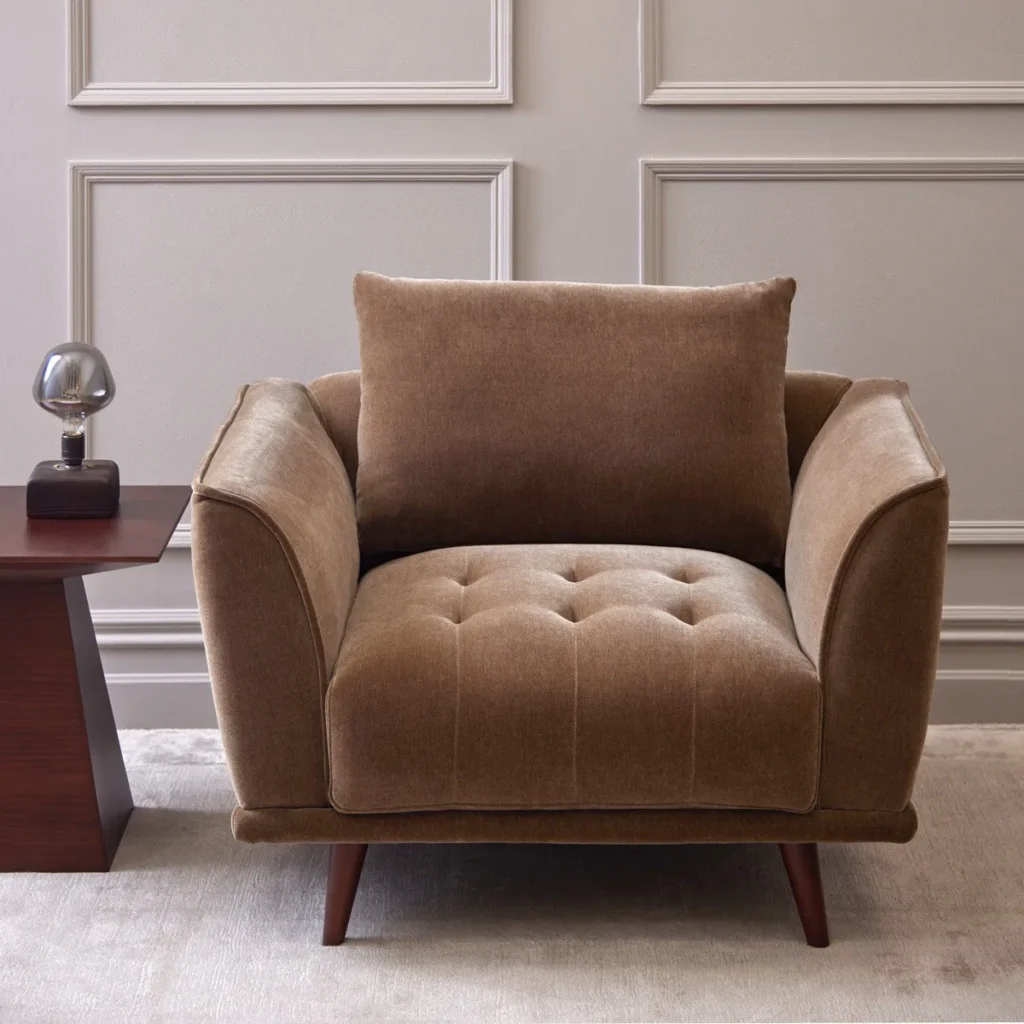
Accent chairs with soft silhouettes and warm textures add inviting “comfort zones” throughout the home — from reading corners to bedrooms or entryways.
Softness You Can Feel: Textures, Layers & Sensory Details
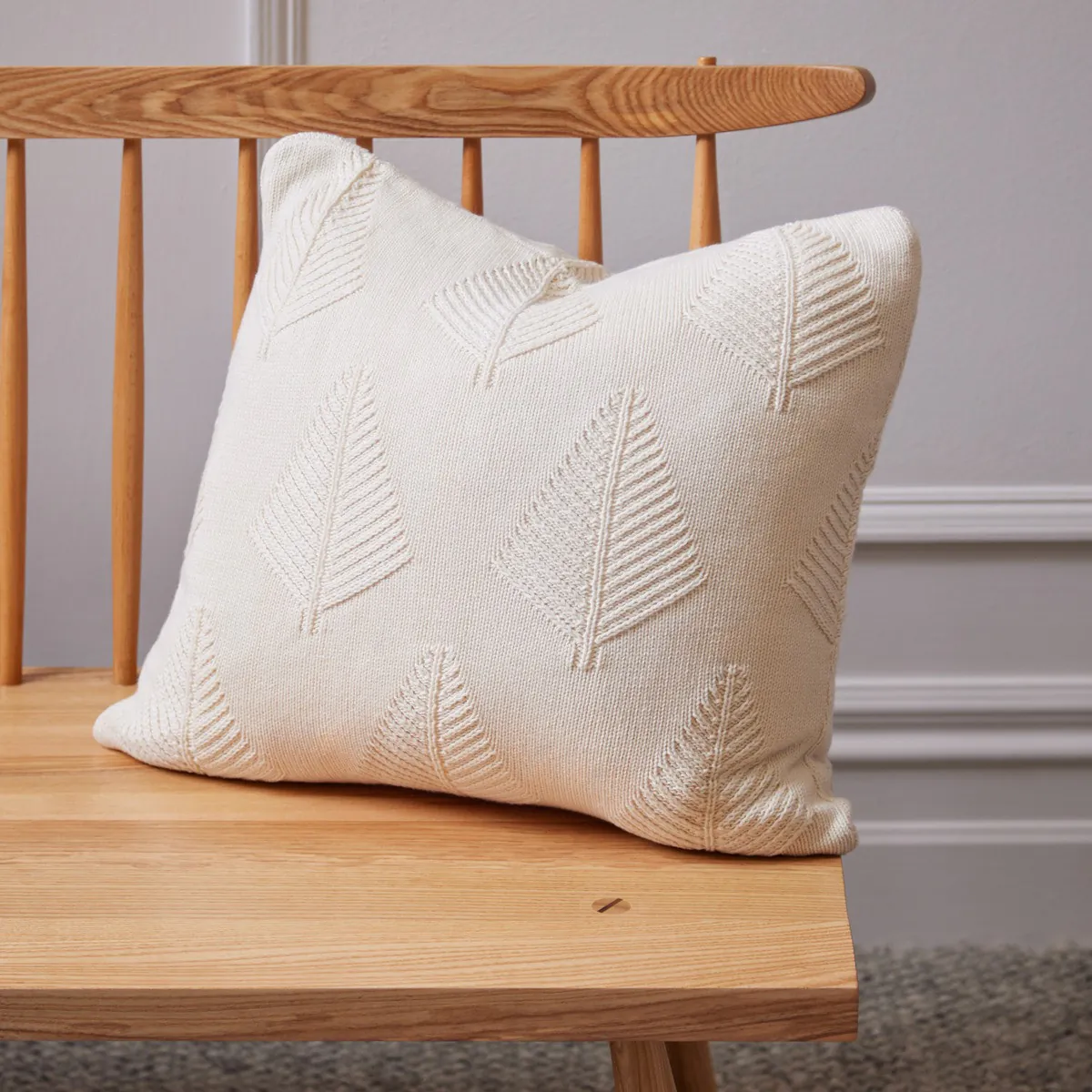
Softness and Texture also matter — tactile materials that add depth and comfort without clutter. Designers cite plaster finishes, bouclé, nubby linen, carved wood and woven materials as primary trend drivers.
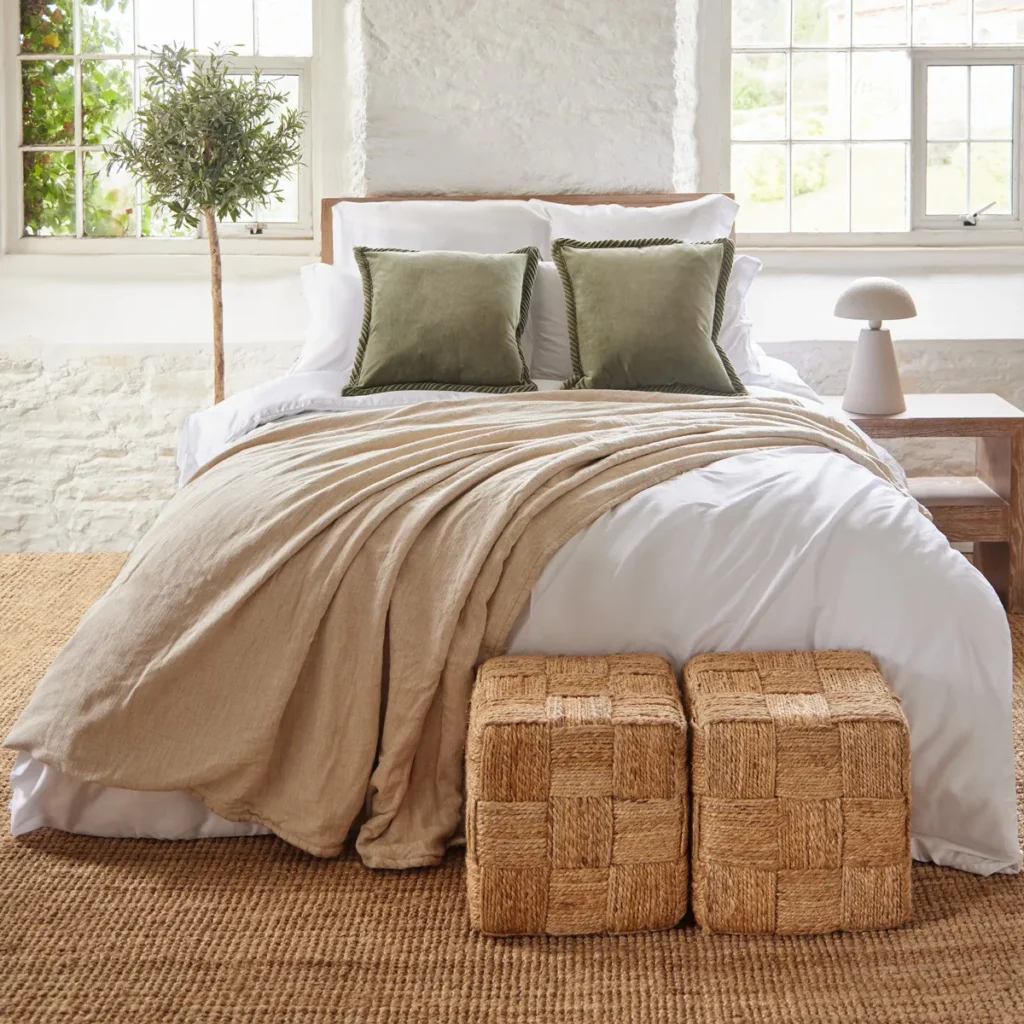
These sensory details don’t just decorate a home — they make it feel good to be in.
Consider this your nudge to make comfort the starting point, not the afterthought. Your permission to look at your home differently — to choose comfort first, always. Explore Here