The one interiors decision that can make a room feel instantly more finished.
There was a time when rugs felt like an afterthought. Something you added because the floor looked a little bare.
Not anymore.
Rugs are firmly back at the centre of interiors — layered over timber, tucked beneath dining tables, softening large open-plan spaces and bringing warmth to rooms that can otherwise feel a little too polished.
And there’s a reason.
A good rug does something furniture alone often can’t: it pulls a room together.
But size, pile, placement and practicality matter. Get those right and a rug can completely change a space. Get them wrong and even a beautiful rug can feel slightly off.
So, consider this The Good Room Rule of Rugs.
RULE 1: GO BIGGER THAN YOU THINK
The most common rug mistake? Going too small.
A little rug floating in the middle of a large room can actually make the space feel smaller and more disconnected.
In a living room, ideally your rug should be large enough for at least the front legs of your sofa and chairs to sit on it. If the room — and budget — allows, having all the furniture sitting comfortably on the rug creates an even more luxurious, anchored look.
Think of the rug as the frame for your seating area rather than something to fill the gap in the middle.
The Good Room rule: when deciding between two sizes, the larger one will usually look better.
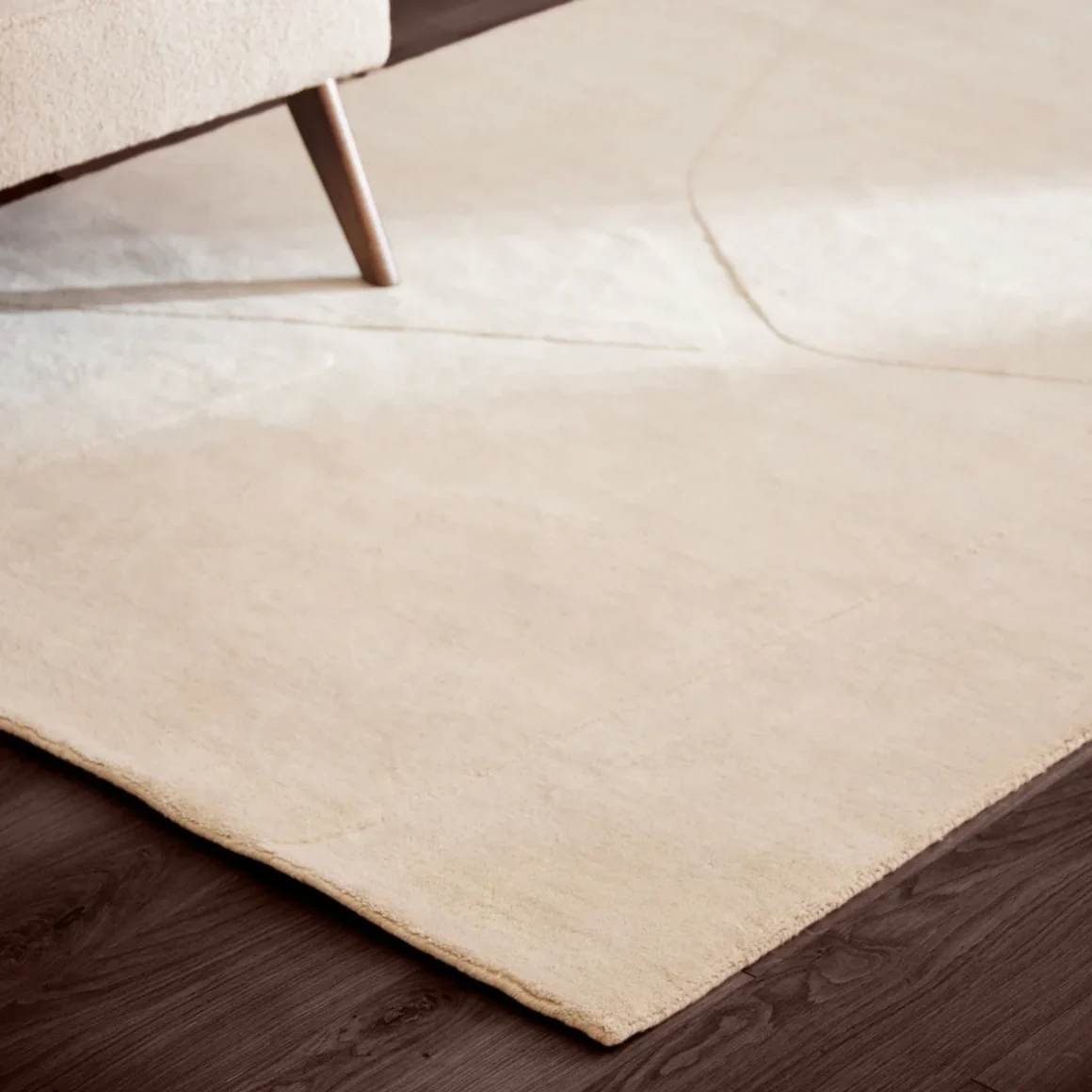
RULE 2: MATCH THE PILE TO REAL LIFE
This is where beauty meets practicality.
Low-pile and flatweave rugs are the workhorses. They’re easier to clean, easier to vacuum and better suited to busy areas such as dining rooms, hallways and family spaces.
Medium-pile rugs give you a little more softness while still being relatively easy to live with — a great option for most living rooms.
High-pile and shaggy rugs bring serious softness and texture, but they’re happiest in lower-traffic areas. Think bedrooms, reading corners or somewhere you actually want to sink your toes in.
That wonderfully plush rug may look gorgeous under a dining table, but add chairs constantly moving across it, crumbs and everyday life and you may quickly reconsider.
The lesson? Choose a rug for the room you actually have, not the room you imagine nobody living in.
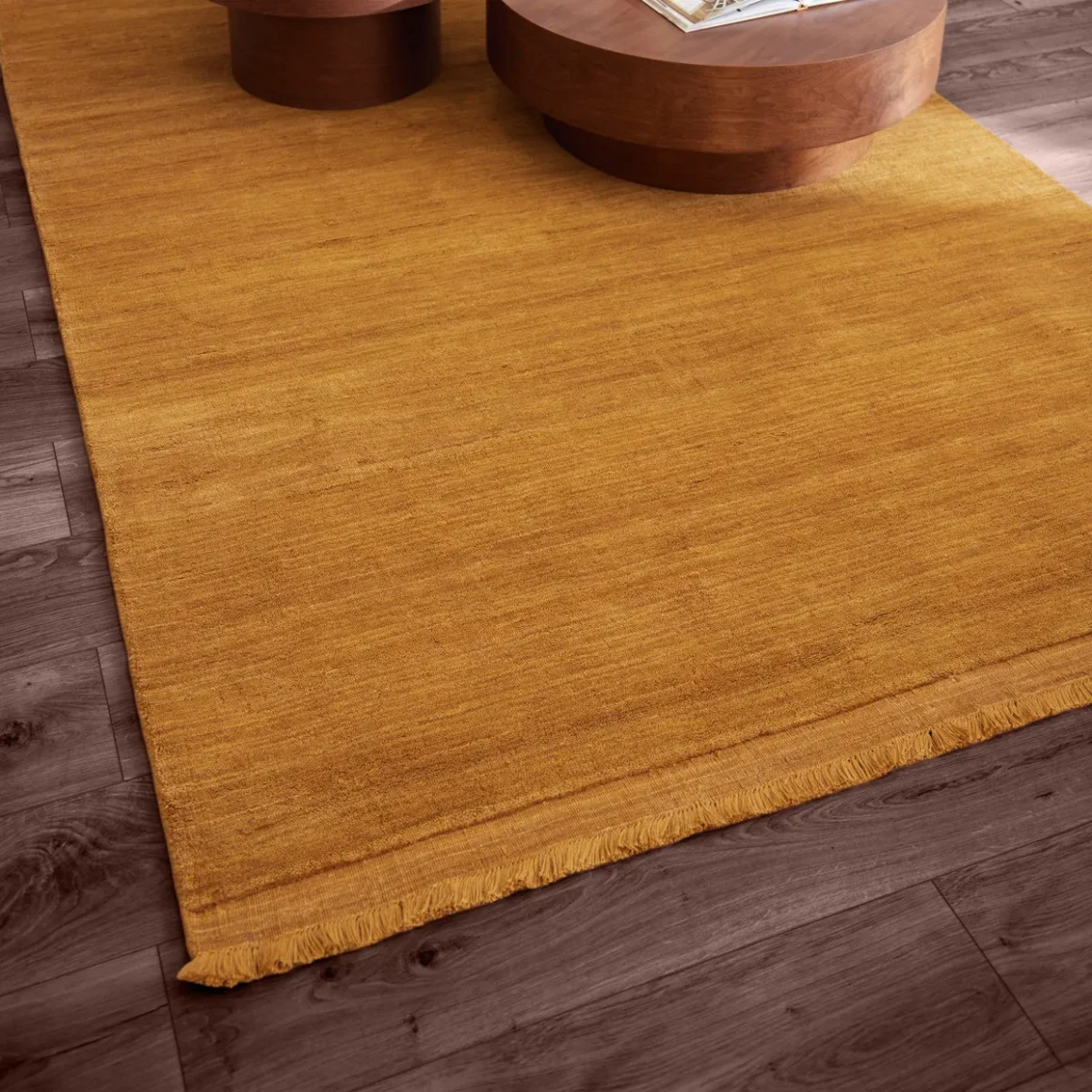
RULE 3: KNOW YOUR TRAFFIC
Before falling in love with a rug, ask one very unromantic question:
What happens here every day?
Kids running through? Shoes? Pets? Dinner every evening? Lots of chairs being pulled in and out?
For high-traffic spaces, look for durable fibres, lower piles and patterns or textures that are a little more forgiving.
Save the pale, beautifully plush statement piece for somewhere it won’t spend its life fighting spaghetti, muddy paws and the morning rush.
Practical can still be beautiful.
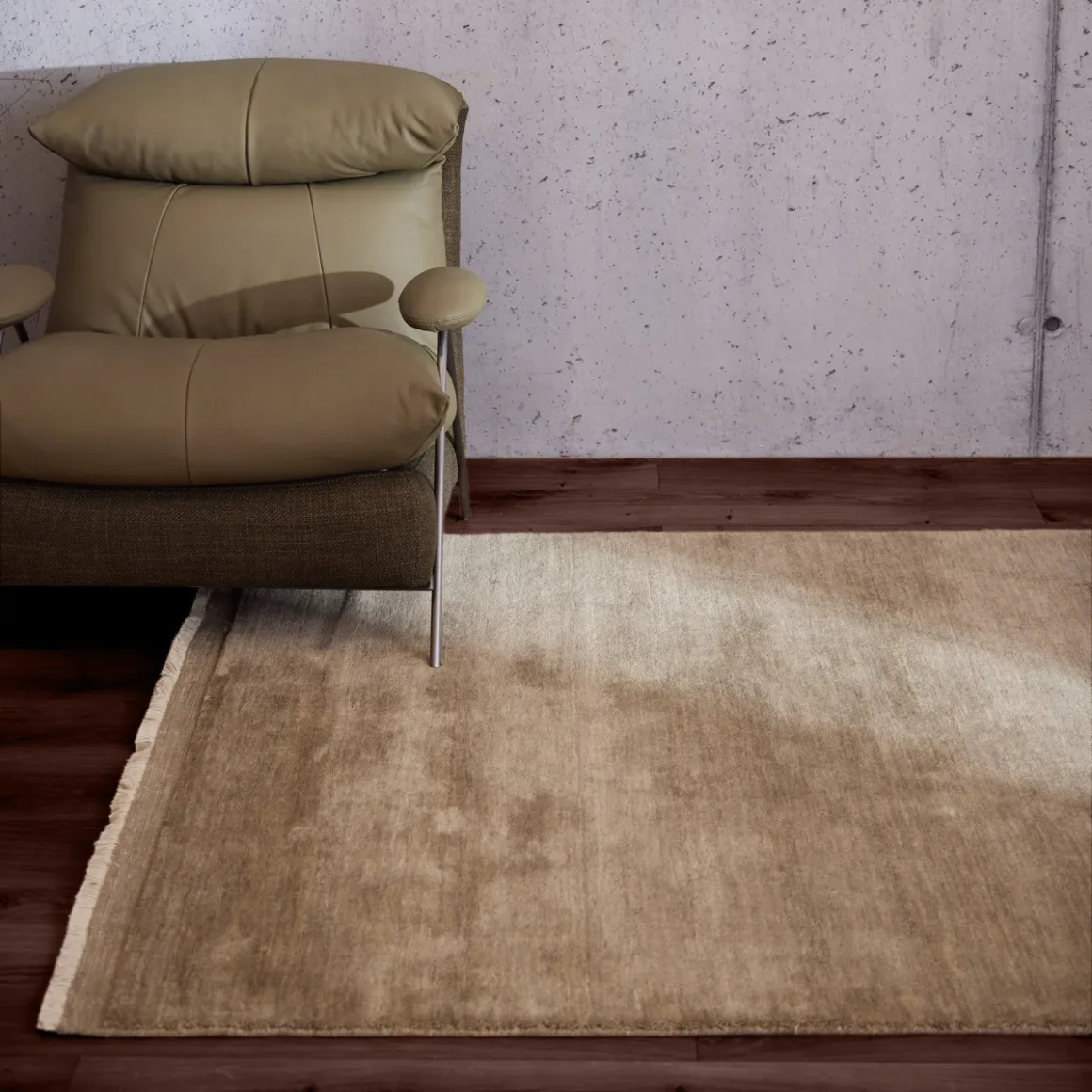
RULE 4: UNDER THE DINING TABLE, GIVE YOUR CHAIRS ROOM
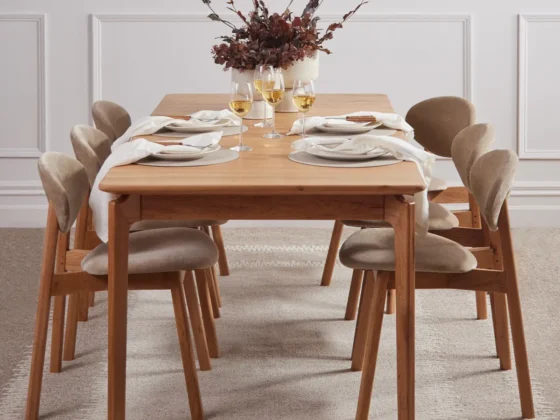
A rug beneath a dining table can look incredibly sophisticated. It defines the dining area, softens acoustics and adds another layer of colour and texture.
But it needs breathing room.
The rug should extend far enough beyond the table that chairs remain on the rug when pulled out. Otherwise you’ll spend dinner catching chair legs on the edge.
And this is one place where low pile wins almost every time.
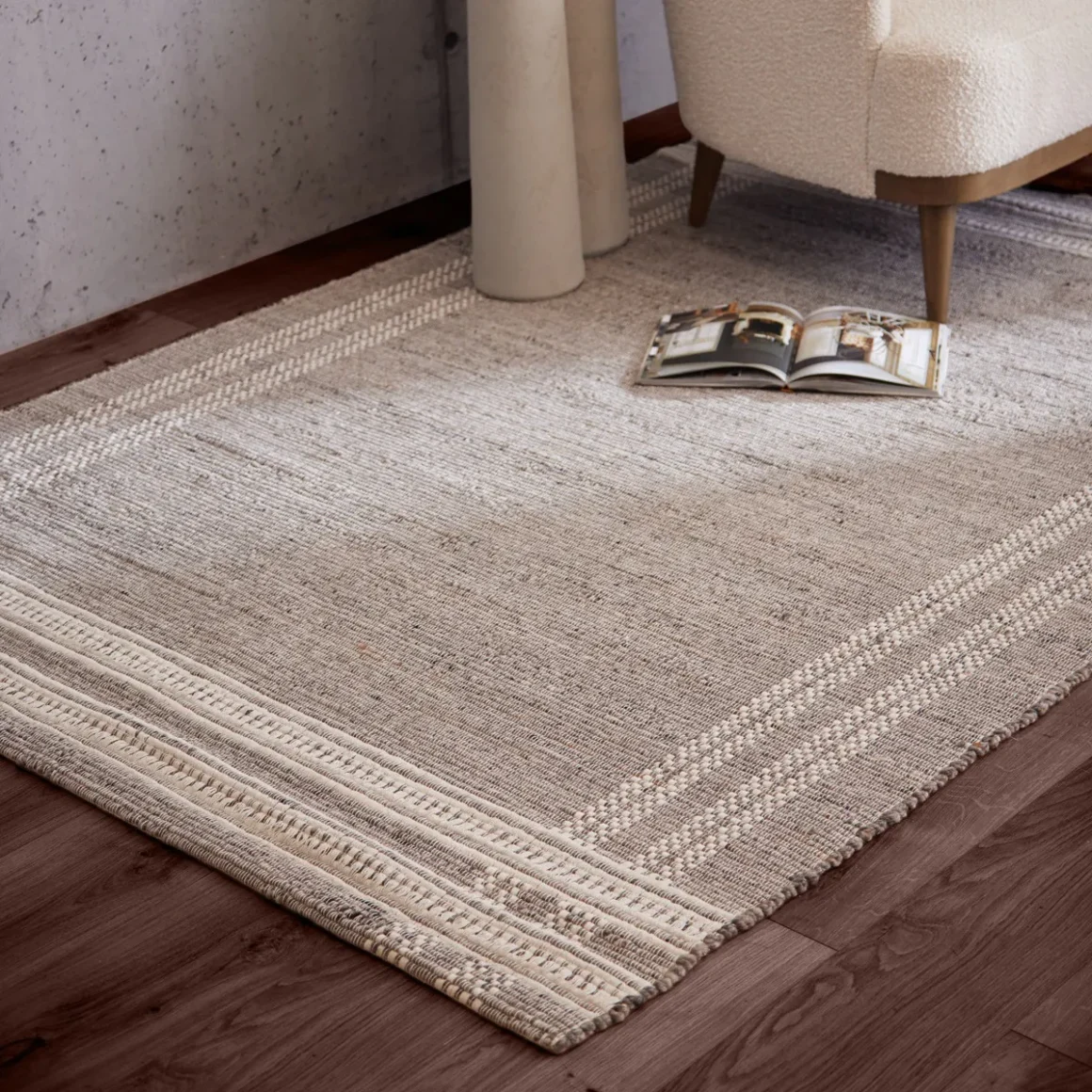
RULE 5: LET THE RUG DO A JOB
Not every room needs a rug.
That might sound strange in an article about rugs, but hear us out.
If you have beautiful flooring, a small room or already plenty of texture, you don’t need to add a rug simply because there’s an empty patch of floor.
A rug should earn its place.
Use one when you want to:
- define a zone in an open-plan room
- soften hard flooring
- add warmth
- introduce pattern or colour
- improve acoustics
- make a large room feel more intimate
- connect furniture that currently feels slightly disconnected
If it isn’t doing any of those things, the room might be better without one.
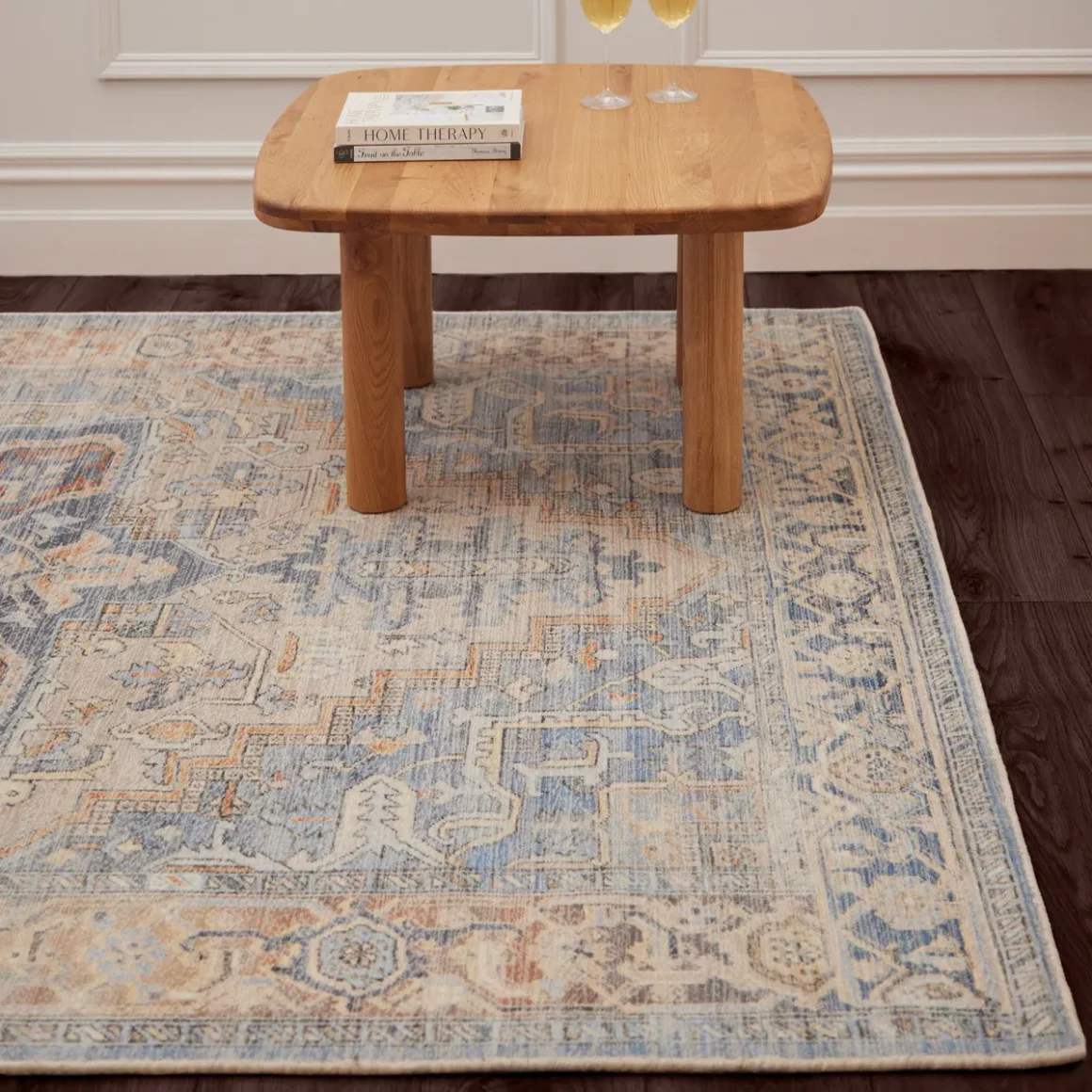
RULE 6: DON’T BE AFRAID OF PATTERN
One of the reasons rugs feel exciting again is our renewed appetite for rooms with a little more personality.
After years of very pared-back interiors, pattern, texture, checks, stripes and richer tones are creeping back in.
A rug is one of the easiest ways to play with that shift without changing an entire room.
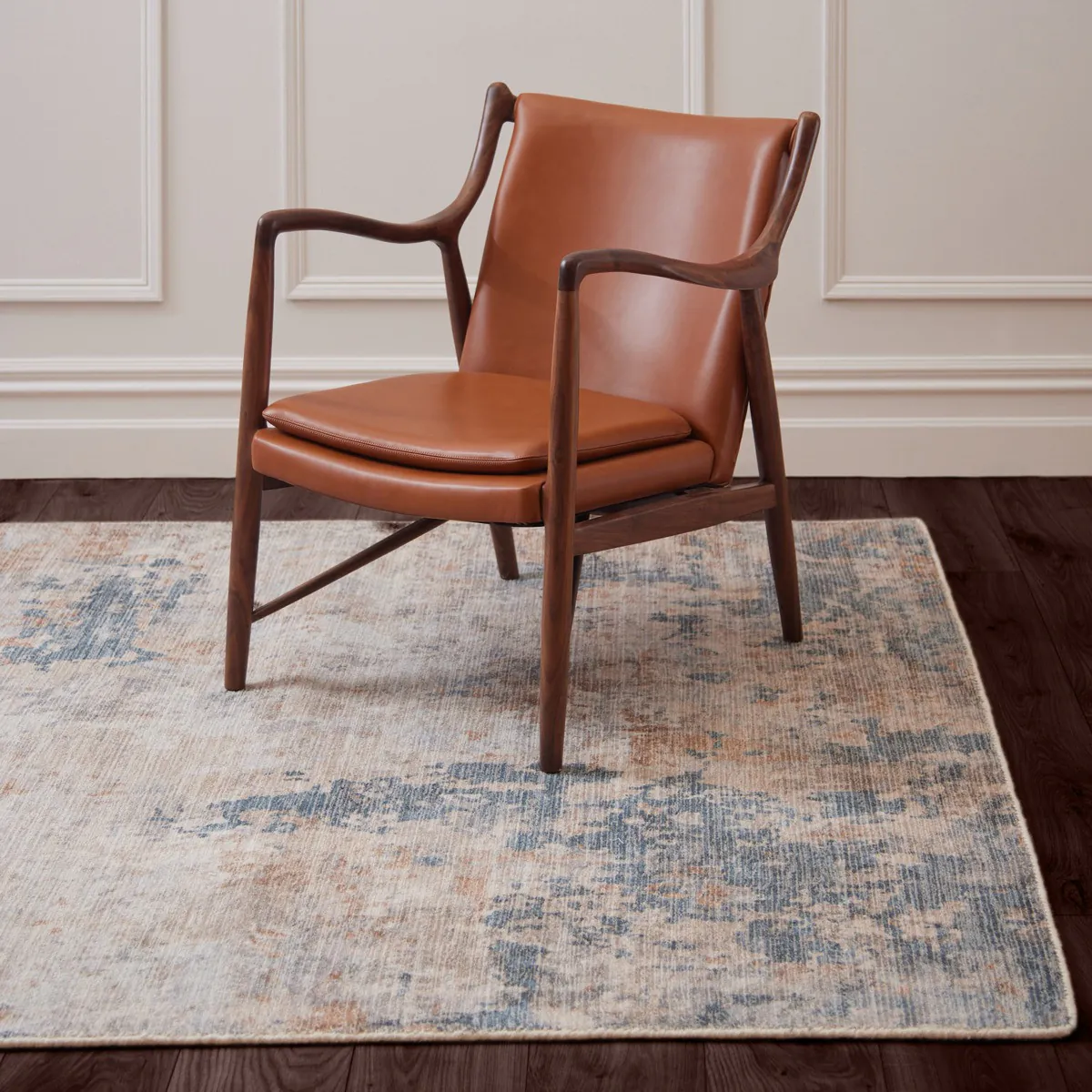
If your sofa and larger pieces are neutral, a patterned rug can provide the interest. If you already have strong artwork, cushions or upholstery, something quieter and more textural may be enough.
The trick isn’t to match everything.
It’s to make it feel like it belongs together.
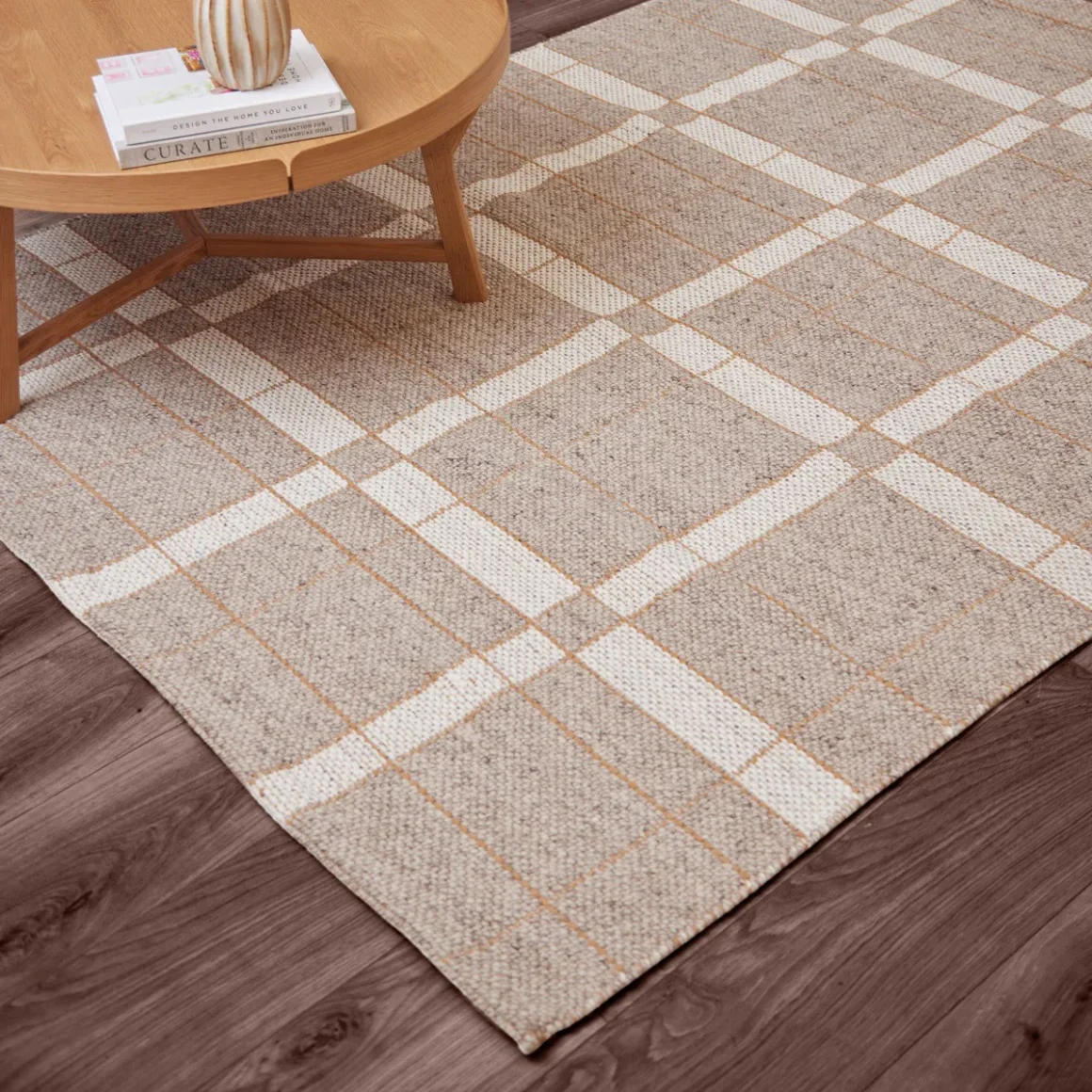
RULE 7: TEXTURE COUNTS AS COLOUR
Cream on cream can still be interesting.
A chunky weave, subtle pattern or beautifully textured rug can completely change a neutral room without adding another colour to the palette.
In fact, in quieter interiors, texture is often what stops the space from feeling flat.
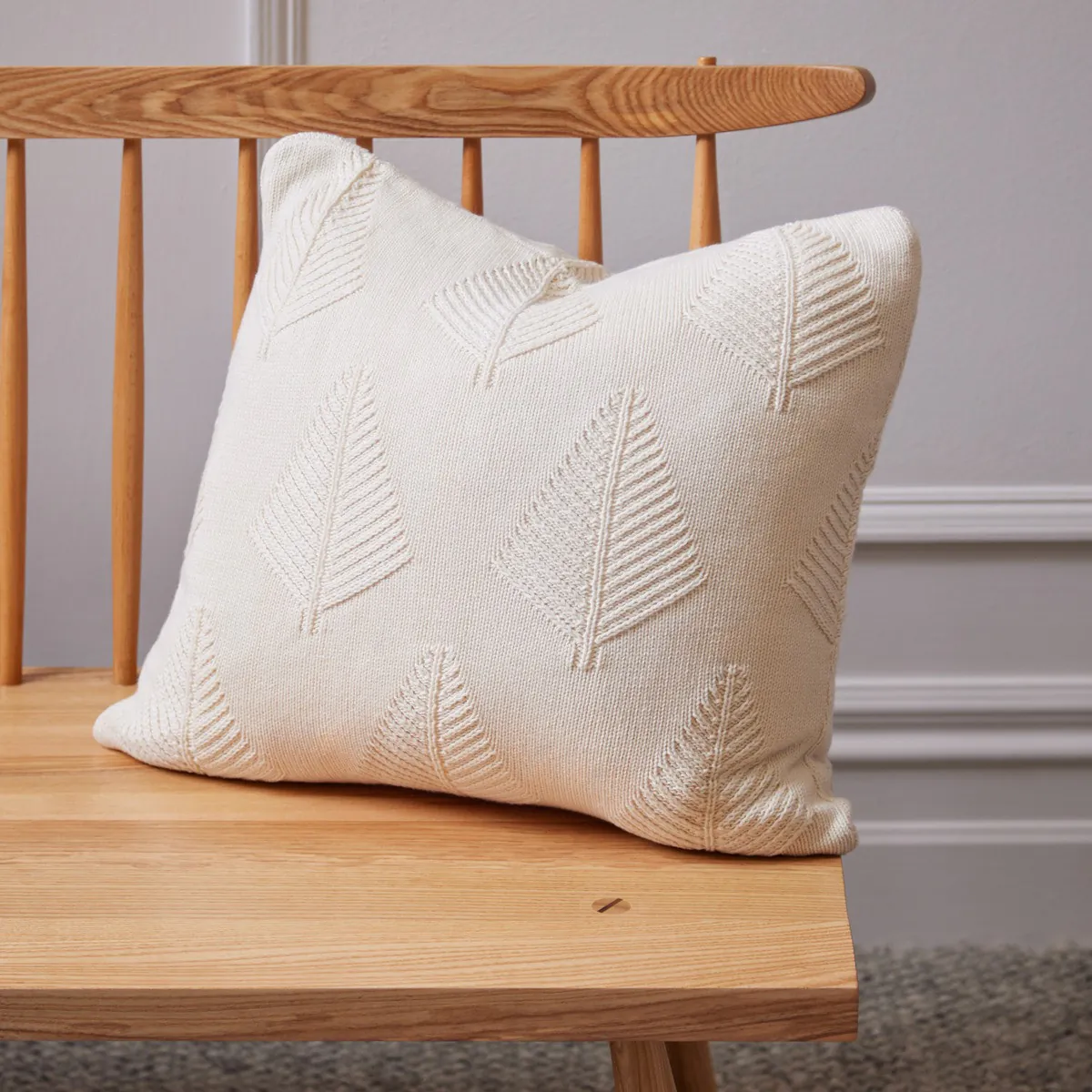
Look at what you already have — smooth leather, linen, timber, velvet, boucle — and consider what texture might be missing.
Sometimes the rug is the final layer you didn’t know the room needed.
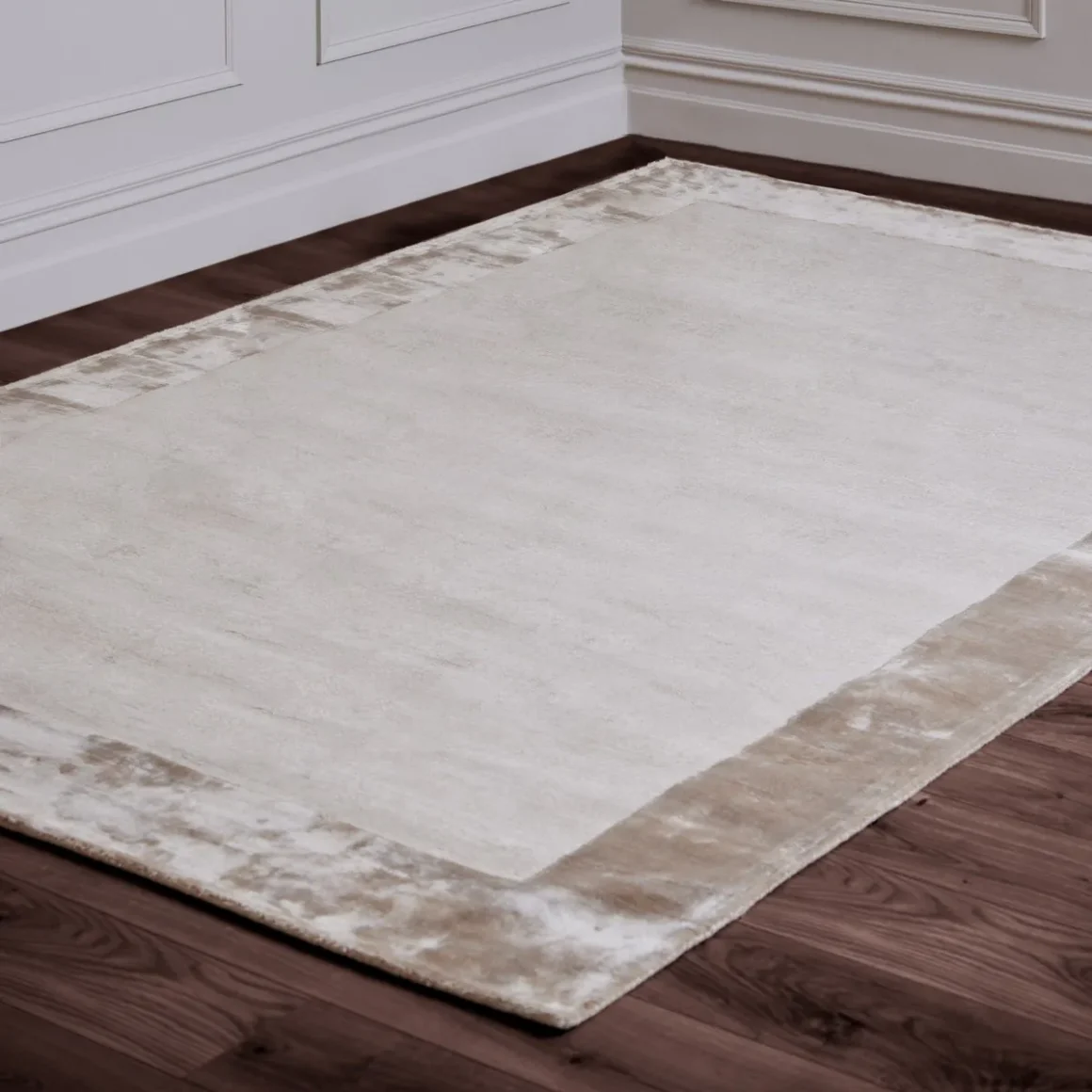
SO, WHY ARE RUGS HAVING A MOMENT AGAIN?
Because our homes are getting softer.
We want rooms that feel collected rather than overly styled. Warm rather than perfect. Comfortable, layered and lived in.
And rugs do all of that rather brilliantly.
They can make a large open-plan room feel intimate. Give a neutral scheme character. Add warmth without clutter. Change the mood of a space without changing the furniture.
Perhaps that’s the real rule of rugs:
Don’t add one because you think a room should have one. Add one because of what it can do to the room.
And when you find the right one?
You’ll wonder how the room ever worked without it.
The Good Room
Smart ideas for living beautifully.