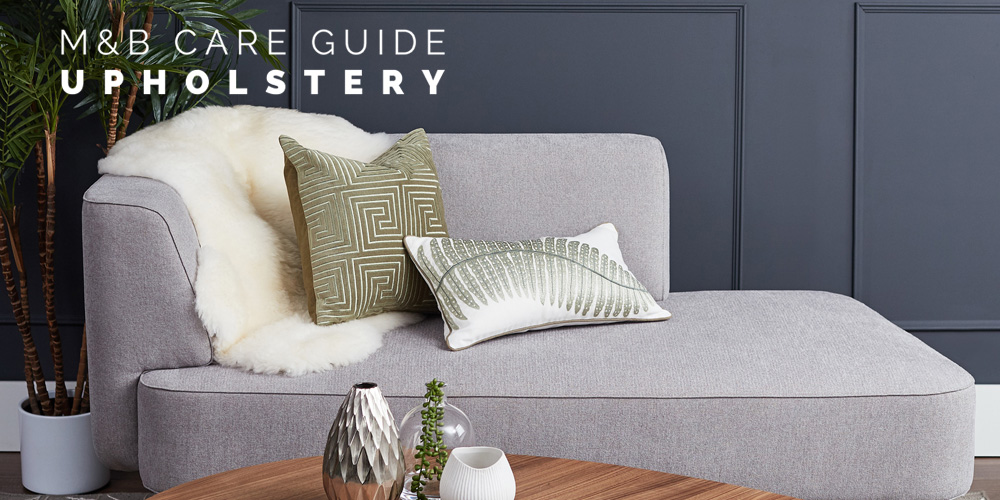
Upholstery Care Guide
A little care goes a long way in keeping your favourite furniture looking its best. With the right cleaning and attention, you can easily refresh your home and make the most of the wonderful pieces of furniture you have chosen for you and your family. It’s well worth considering the type of cleaning items require especially when it comes to upholstery.
Here’s our go-to upholstery care guide for cleaning and caring for the different types of upholstery in your home.
General Care and Use
Regular Cleaning
Carefully vacuum your upholstery using the soft brush upholstery attachment at least once a week, dust removal may be improved by brushing with a soft brush. Pay special attention to arm fronts and pleated sections. Dirt and dust will rapidly increase fabric wear and may cause the dulling and fading of colours.
Take care when using a vacuum around decorative trims and fringing or skirts. These can easily be caught and may be damaged.
Decorative facings and timber feet require minimal maintenance and should be kept free from dust by occasionally wiping with a clean cloth. Do not use spray polishes or solvent cleaners as these can have a damaging effect and any overspray can have adverse effects on the adjoining fabric.
Care of Cushions
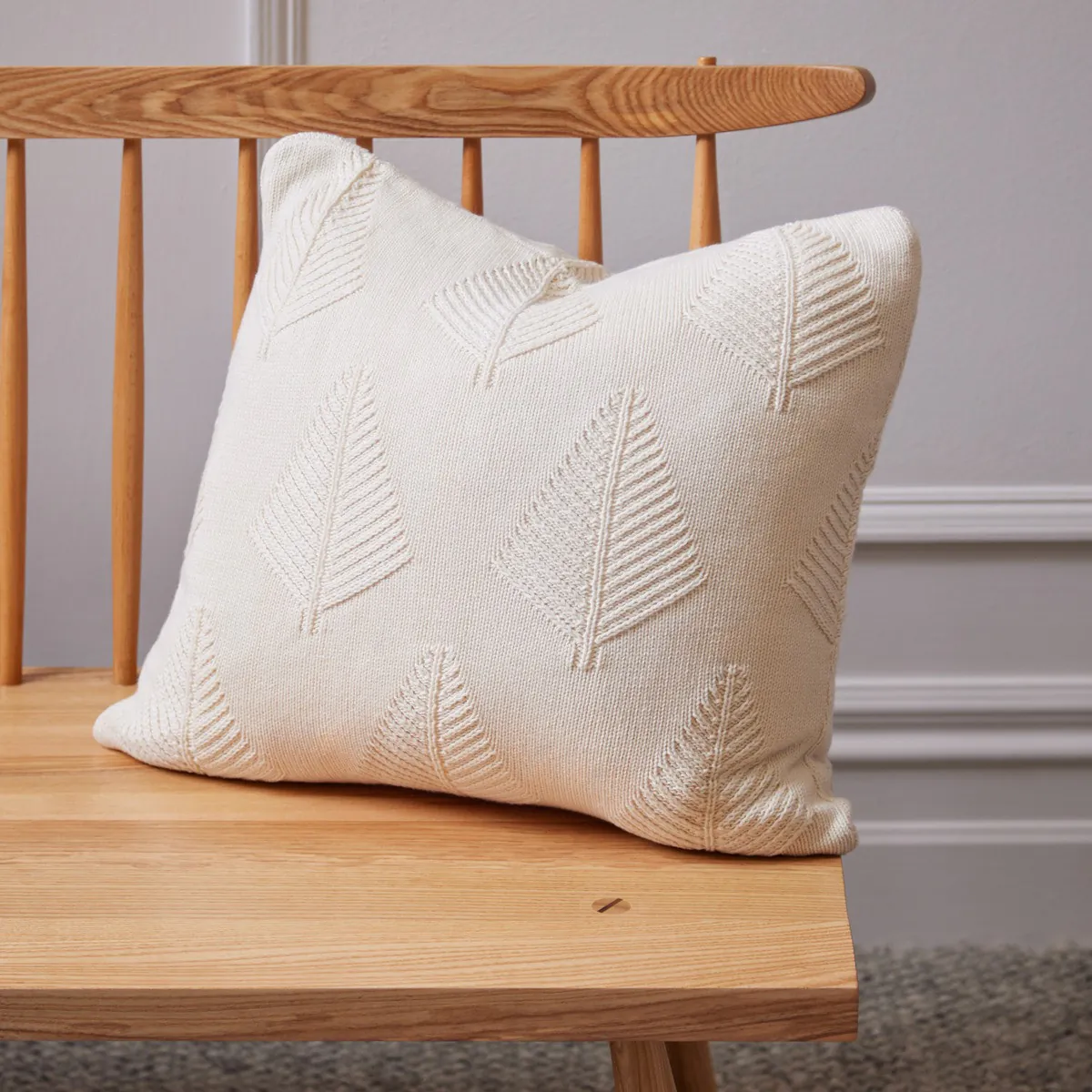
All cushions should be “tidied and dressed” regularly, we recommend turning daily, and frequently switching the positions of the cushions where possible. This will help prevent excessive wear to one side. Avoid perching on the edge of cushions as this may cause the fillings or fabric to lose their shape
Feather and fibre filled seat and back cushions will need to be “plumped” on a regular basis to ensure the cushion interior fills the case to the correct shape. Failure to do this may result in the fillings forming a mass, giving the cushion a flat or uneven appearance. Foam cushions do not require the same level of maintenance as they will keep their shape for longer, that said we do recommend periodically plumping to stimulate the foam.
Care of Mattress and Sofabed
All of our mattresses are double sided and should be turned regularly for even wear to both sides. Always remove bed linen from the mattress before closing the action to avoid damage to the mechanism.
Prolonged Sunlight and Heat
Upholstered furniture should not be exposed to direct sunlight as this may result in deterioration and fading of your fabric. Always position your furniture away from the sun rays and protect it by drawing blinds, or curtains when applicable. Avoid leaving your upholstery too close to open fires or radiators.
Correct Use
Your furniture is designed to be sat on in comfort, so use it correctly for that purpose. Sitting on the edges of cushions or the arms may cause permanent wear and distortion to the fillings and fabric. Avoid allowing sharp edge toys, buckles, jewellery and domestic pets to snag the fabric. If this occurs, carefully cut the plucked fabric yarn or snag away with a pair of scissors. Under no circumstances should a snag be pulled. Please try to restrain children from climbing and jumping on upholstery, especially when wearing shoes.
Major Cleaning
It is difficult to give general instructions on doing this yourself since different fibres and fabric constructions require specialist techniques. We, therefore, recommend that you leave major cleaning to a recognised upholstery cleaning specialist. They can give you expert advice and carry out the necessary periodic cleaning quickly and efficiently.
The effectiveness of the specialist cleaning treatment will depend on the degree of soiling. It is therefore advisable to have this done before the fabric becomes too ingrained with dirt. It is inevitable that after a dry cleaning process a slight colour variation will occur between the removable and fixed sections of the upholstery. Under no circumstances attempt to wash covers or use the dry-cleaning machine at your local launderette unless you have purchased a specific machine washable product.
Spots & Spills
Spots and spills can sometimes be treated with specific chemicals to aid their removal. Always pre-test any cleaner you intend to use on a hidden area of the furniture, checking for colour loss and fabric compatibility. Look for faded colours, shrinkage or rings, these are signs of incompatibility. Under no circumstances should you apply excessive pressure or rubbing to a spillage as this may result in permanent damage to the fabric. Blot the surface dry with an absorbent colourfast cloth or kitchen roll to soak up excess liquid. Fabrics with high cotton contents may become lighter in colour after spot cleaning. If in doubt, always seek professional advice.
Leather
Dust weekly with a clean, soft cloth. Clean quarterly by wiping over with lukewarm, mild solution of a pure soaping agent, such as Lux flakes or Dreft, using a damp cloth. Important – Do not over wet the cloth. Failure to carry out simple cleaning on a regular basis could discolour your leather permanently. Polishes, creams, detergents, leather foods, solvents varnishes, white spirit and stain removers should not be used as they can seriously damage the leather beyond repair. In the event of an accident or severe soiling, consult your retailer for professional advice.
-
*Note: If your furniture has had an after sale, soil resistant treatment applied by a third party, we as manufacturers cannot accept any liability for problems caused to the fabric in any way by this treatment, for any marking or staining that may have been over-sprayed, or for any staining or marking that may occur after their application or during their specialised cleaning procedures. Such treatments should always be pre-tested for their fabric compatibility on a hidden part of the furniture or a fabric sample before application. Any fabric protection problem must be referred to the agent that supplied it at the time of purchase.



2 comments
I am glad that you talked about how upholstered furniture should not be exposed to direct sunlight. We’re currently moving our things around the house and I’ve seen quite a number of stowed away furniture, now I wonder if I could use them again by having them repaired. I heard there are places that offers such services, like medical friendly upholstery fabrication, restoration, modification, among other things.
It’s so excellently done, and you have some exceptionally good ideas. This post is excellent!